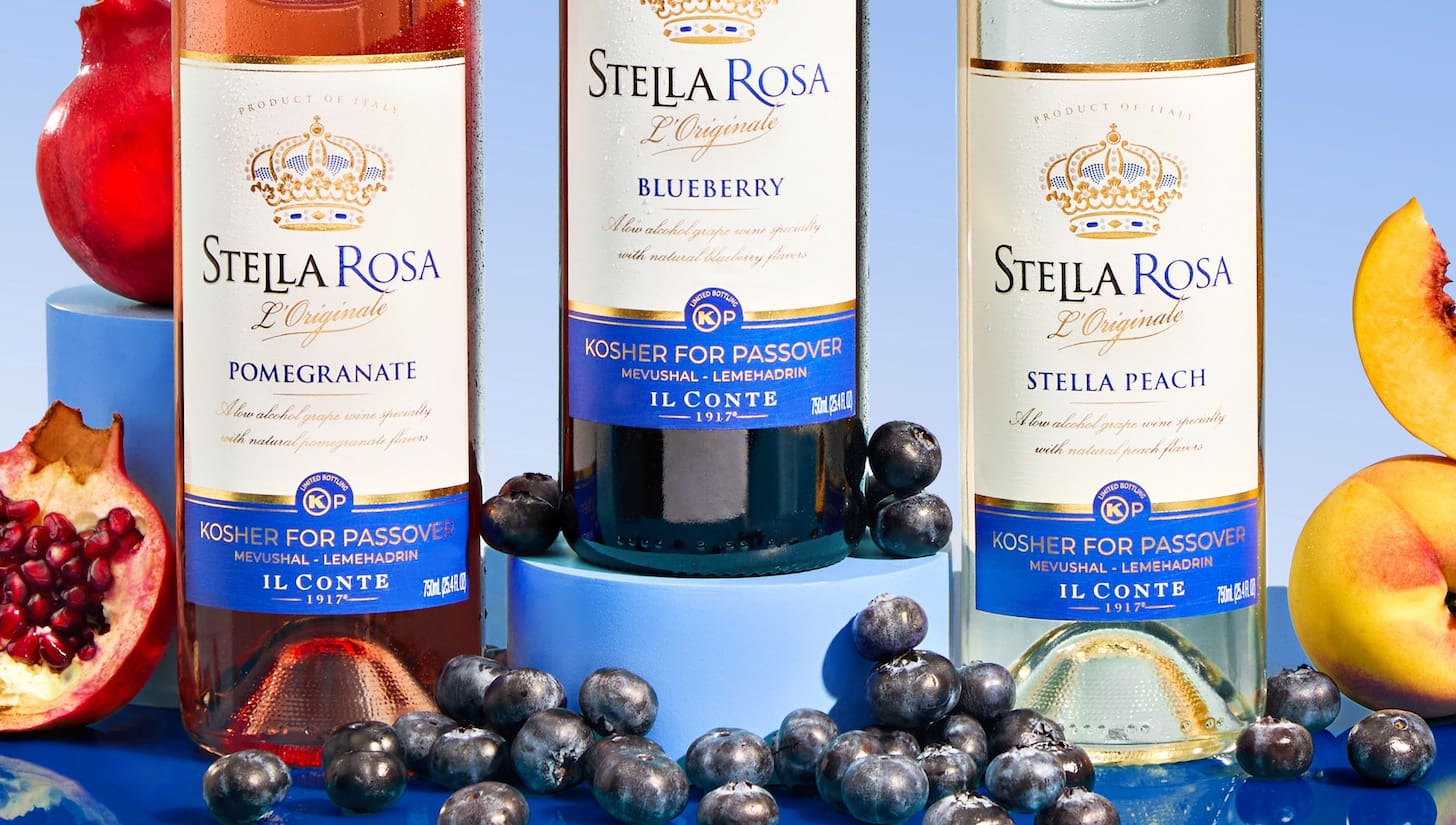
If you enjoy Stella Rosa’s fruit-forward wines but need a bottle that fits kosher dietary practices, the label matters. Stella Rosa offers select wines identified as kosher, giving shoppers familiar flavor profiles with the added assurance of kosher certification.
The short answer to “Is Stella Rosa kosher?” is yes—specific Stella Rosa wines are kosher, but not every Stella Rosa bottle should be assumed to be certified. Look for a product expressly labeled kosher and confirm the certification symbol on the exact bottle you plan to purchase. Certification can vary by flavor, package, or market, so checking the bottle is the most reliable approach.
What Makes a Wine Kosher?
Kosher wine follows Jewish dietary laws, known as kashrut. Grapes are naturally kosher, but wine has additional religious significance. Its production therefore requires approved ingredients, equipment, handling, and supervision according to the standards of a kosher-certifying authority. Those requirements apply across the winemaking process, from grape handling and fermentation to bottling and sealing.
A kosher certification symbol, often called a hechsher, signals that a recognized organization has supervised the product. That mark is more dependable than trying to determine a wine’s status from its ingredients, country of origin, sweetness level, or brand name alone.
How Kosher Wine Production Works
Kosher wine begins with the same essential agricultural ingredient as other wine: grapes. The distinction comes from the standards applied after the grapes reach the production process. Ingredients and processing aids must meet kosher requirements, and the equipment used for crushing, fermentation, storage, filtration, and bottling must be suitable for kosher production. The certifying authority establishes the applicable standards and provides supervision.
Handling is another important part of the process. Traditional kosher-wine requirements govern who may handle the wine during key stages, from the time the grapes are processed until the finished bottle is sealed. This is one reason certification cannot be determined simply by reading a basic ingredient list. A bottle can appear straightforward while still requiring detailed oversight of the facility and production line.
Certification also considers the many small materials that may be used during winemaking. Yeast, clarifying or filtering agents, flavor components, and other production inputs may need review. The purpose of the symbol on the finished bottle is to give shoppers a clear sign that those details have been evaluated by the organization named by the mark.
How to Verify a Kosher Wine Label
Before placing a bottle in your cart, read the front and back labels carefully. Online product names and retailer descriptions can help narrow your search, but the physical bottle is the final reference. Packaging can change, and similar-looking wines may not share the same certification.
Check for:
- The word “Kosher” in the product name or on the label
- A current kosher-certification symbol on the bottle
- The exact flavor and bottle size you intend to buy
- Any additional designation required for the occasion, such as kosher for Passover or mevushal
Why Kosher Status Can Vary Within a Brand
Kosher certification applies to a particular product and production process rather than automatically covering every wine made by a company. Two bottles from the same brand can use different grapes, flavor components, equipment, facilities, or production methods. One may be produced under kosher supervision while another is not. That is why brand familiarity alone cannot replace checking the label.
Certification information can also be updated over time. When a retailer page, an older bottle image, and the bottle in front of you do not match, rely on the current package and consult the certifying authority or producer if you need clarification. Careful verification helps prevent assumptions while making it easier to shop with confidence.
Kosher, Kosher for Passover, and Mevushal
These terms are related, but they are not interchangeable. A wine labeled kosher has been produced according to kosher dietary laws under the standards of its certifying authority. Kosher for Passover is an additional designation indicating that the product is appropriate for Passover under the stated certification. A bottle that is kosher throughout the year should not automatically be treated as kosher for Passover.
Mevushal refers to wine that has undergone a particular heat-related process recognized within Jewish law. The designation can affect how the wine may be handled after opening, which may be important at restaurants, catered events, weddings, or other gatherings where people with different levels of observance are serving guests. Shoppers should look for the designation rather than assuming it applies to every kosher wine.
If any of these distinctions matter for your meal or event, check the exact bottle and follow the guidance of your household, host, rabbi, or certifying authority. A general article can explain the terminology, but it cannot replace the standards observed by a particular person or community.
Kosher Is Not the Same as Vegan, Organic, or Natural
Wine labels can carry several claims, and each one answers a different question. Kosher certification addresses compliance with Jewish dietary law. Vegan labeling concerns whether animal-derived ingredients or processing aids were used. Organic certification relates to defined agricultural and production standards, while “natural wine” is a broader term that may be used in different ways.
One designation does not automatically guarantee another. A kosher wine is not necessarily vegan or organic, and an organic or vegan wine is not necessarily kosher. If more than one attribute matters to you, verify each claim separately on the package or through an authoritative product source.
What a Certification Symbol Tells the Shopper
Kosher-certification marks are usually compact logos or combinations of letters and symbols printed on the label. Different authorities use different marks, so there is no single universal design. The symbol identifies the organization responsible for the certification and gives consumers a starting point for confirming the product’s status.
The mark should be evaluated together with the rest of the package. Check whether nearby wording adds a qualification such as dairy, pareve, Passover, or another product-specific note. If a symbol is unfamiliar, search for information from the named certifier rather than relying on an unofficial image guide. A clear, current bottle label is stronger evidence than a logo appearing only in an advertisement or third-party description.
Which Stella Rosa Wines Are Kosher?
Stella Rosa’s collection includes three wines specifically presented as kosher options: Kosher Peach, Kosher Blueberry, and Kosher Pomegranate. All three are made in Italy and offer the semi-sweet, semi-sparkling character associated with Stella Rosa. Serve them chilled to highlight their refreshing fruit flavors.
-
Stella Rosa Kosher Peach
Stella Rosa Kosher Peach is a semi-sweet white wine made with Moscato grapes. Ripe peach and honey notes create a smooth, approachable profile for shoppers who favor a light, bright, fruit-forward pour.
-
Stella Rosa Kosher Blueberry
Stella Rosa Kosher Blueberry is a semi-sweet, semi-sparkling red wine with juicy blueberry flavor. Its berry-forward personality is a colorful choice for anyone who likes a richer fruit note while keeping the overall experience easygoing.
-
Stella Rosa Kosher Pomegranate
Stella Rosa Kosher Pomegranate is a semi-sweet rosé made with Moscato and Brachetto grapes. Ripe pomegranate flavor and gentle sparkle give it a refreshing balance between the lightness of a white wine and the fruit character of a red.
Buying Kosher Wine for Someone Else
A kosher bottle can be a thoughtful host gift, but requirements differ among households and occasions. If you are unsure what your host observes, ask before buying. Keep the bottle sealed and allow the host to decide when and how it should be opened and served. For a wedding, catered event, or religious observance, confirm whether the venue or organizer has additional certification or handling requirements.
When shopping online, review the product details, then verify the label again when the wine arrives. This extra step is especially useful when several versions of a product appear in retailer listings.
Shopping for Kosher Wine Online and In Stores
In a store, compare the shelf tag with the bottle rather than relying on the display alone. Look at both labels, confirm the flavor and size, and make sure the certification symbol is visible. If the bottle is in a gift box or multipack, ask whether the individual product label can be checked before purchase.
Online shopping requires an additional layer of care. Product photographs may show older packaging, and marketplace listings can combine reviews or descriptions from similar items. Read the full title and specifications, use a reputable seller, and inspect the bottle as soon as it arrives. If the delivered label does not match the listing, contact the retailer before planning to serve it.
Common Misconceptions About Kosher Wine
“Every wine from Israel is kosher.” Country of origin does not establish certification; the bottle still needs an appropriate kosher mark.
- “Kosher wine must be sweet.” Kosher wines are made across dry, off-dry, sweet, still, and sparkling styles.
- “Every product from a kosher-certified brand is kosher.” Certification applies to particular products and processes, not automatically to an entire portfolio.
- “Kosher certification changes the flavor.” Certification governs production and supervision. Flavor comes from factors such as grape variety, sweetness, acidity, bubbles, and winemaking choices.
- “Vegan or organic wine is automatically kosher.” These labels describe different standards and must be verified independently.
Kosher Wine FAQs
Are all Stella Rosa wines kosher?
No. Stella Rosa offers specific kosher-labeled wines, but shoppers should not assume that every Stella Rosa flavor or package is kosher certified. Verify the exact bottle before purchasing.
Is kosher wine automatically kosher for Passover?
Not necessarily. Kosher-for-Passover status is a separate designation. For a Passover Seder, confirm that the bottle carries the appropriate marking and meets the standards followed by your household or host.
Is Stella Rosa kosher wine mevushal?
Mevushal is another separate designation that can matter in certain serving situations. Do not assume a kosher wine is mevushal unless the label or certifying authority confirms it for that specific bottle.
Does kosher wine taste different?
Kosher certification describes how a wine is produced and supervised; it does not prescribe a particular taste. Kosher wines can be dry or sweet, still or sparkling, and made in many styles. Stella Rosa’s kosher selections retain the brand’s approachable, semi-sweet, semi-sparkling fruit profiles.
How should Stella Rosa kosher wines be served?
Serve Stella Rosa’s kosher wines chilled. Store unopened bottles in a cool, dark place away from heat and direct light, then refrigerate before serving. Once opened, reseal the bottle, return it to the refrigerator, and enjoy it while its fruit flavor and gentle sparkle are fresh.
Can people who do not keep kosher drink kosher wine?
Yes. Kosher wine can be enjoyed by any adult of legal drinking age. Certification makes the bottle suitable for consumers who rely on that standard, but it does not limit who may appreciate the wine. Including a certified option can make a gathering more welcoming when guests follow different dietary practices.
Does kosher certification apply forever?
Do not assume that certification shown on an old photograph or previous purchase applies indefinitely to every future package. Products, facilities, and certifications can change. Confirm the mark on the bottle currently being purchased, especially when shopping for a religious observance or someone else’s household.
Can kosher wine be served at a gathering with different dietary needs?
It can be a considerate choice when some guests keep kosher, provided the bottle and serving arrangements meet their standards. Other needs still require separate attention. Ask about allergies, alcohol preferences, vegan requirements, and any household-specific practices instead of assuming one certification answers every dietary question.
Choose Kosher Stella Rosa with Confidence
Kosher certification and joyful flavor can share the same table. Stella Rosa Kosher Peach, Kosher Blueberry, and Kosher Pomegranate offer three distinctive options for shoppers seeking a certified, fruit-forward wine.
Remember to confirm the kosher symbol—and any additional designation important to you—on the exact bottle. Then chill your selection and get ready to Stellabrate® responsibly. Find Stella Rosa wines near you.